
Marketing Strategy
The Honest Timeline for Marketing That Actually Works
The Honest Timeline for Marketing That Actually Works
Every service business owner wants to know the same thing before they commit to a real marketing investment: how long before I see something? This is the answer most agencies are too afraid to give you. We're not.
Every service business owner wants to know the same thing before they commit to a real marketing investment: how long before I see something? This is the answer most agencies are too afraid to give you. We're not.
TLDR
Real marketing that compounds doesn't produce results in 30 days. Month 1 is infrastructure. Month 3 is early signals. Month 6 is momentum you can feel. Month 12 is a competitive advantage your competitors cannot easily close. Most businesses quit somewhere around Month 4, right before the flywheel starts pulling on its own. This article tells you exactly what to expect at every stage so you can decide whether you're ready for the commitment before you make it.
INTRODUCTION
Alex Yu was getting his car detailed on a Tuesday afternoon when the attendant looked up and said, "Hey, I see you everywhere."
Not a client. Not a referral. Not someone in his network. A stranger at a car wash who recognized him from his content.
That moment doesn't happen in Month 1. It doesn't happen in Month 3. It happens when the flywheel has been turning long enough that your market can't ignore you anymore. When the content has compounded. When the authority has stacked. When the system has been running consistently long enough to create the kind of presence that follows you into places you've never been.
Alex's moment was around Month 8.
And I'll tell you something else: there were months before Month 8 where he wondered if any of it was working.
That's the conversation the marketing industry refuses to have with you. They show you the Month 8 story and leave out the Month 3 doubt. They sell you on the result without preparing you for the road.
So here's the road. Honestly. All of it.

KEY TAKEAWAYS
Marketing that compounds has a predictable timeline. Month 1 is foundation. Months 2 and 3 are the hardest because you're doing the work without seeing the return yet. Months 4 through 6 are where the first real signals appear. Months 7 through 12 are where it starts to pull.
Most businesses that fail with marketing don't fail because the system didn't work. They quit at Month 3 or 4, right before momentum starts to build. Knowing this in advance is the difference between a business that makes it and one that doesn't.
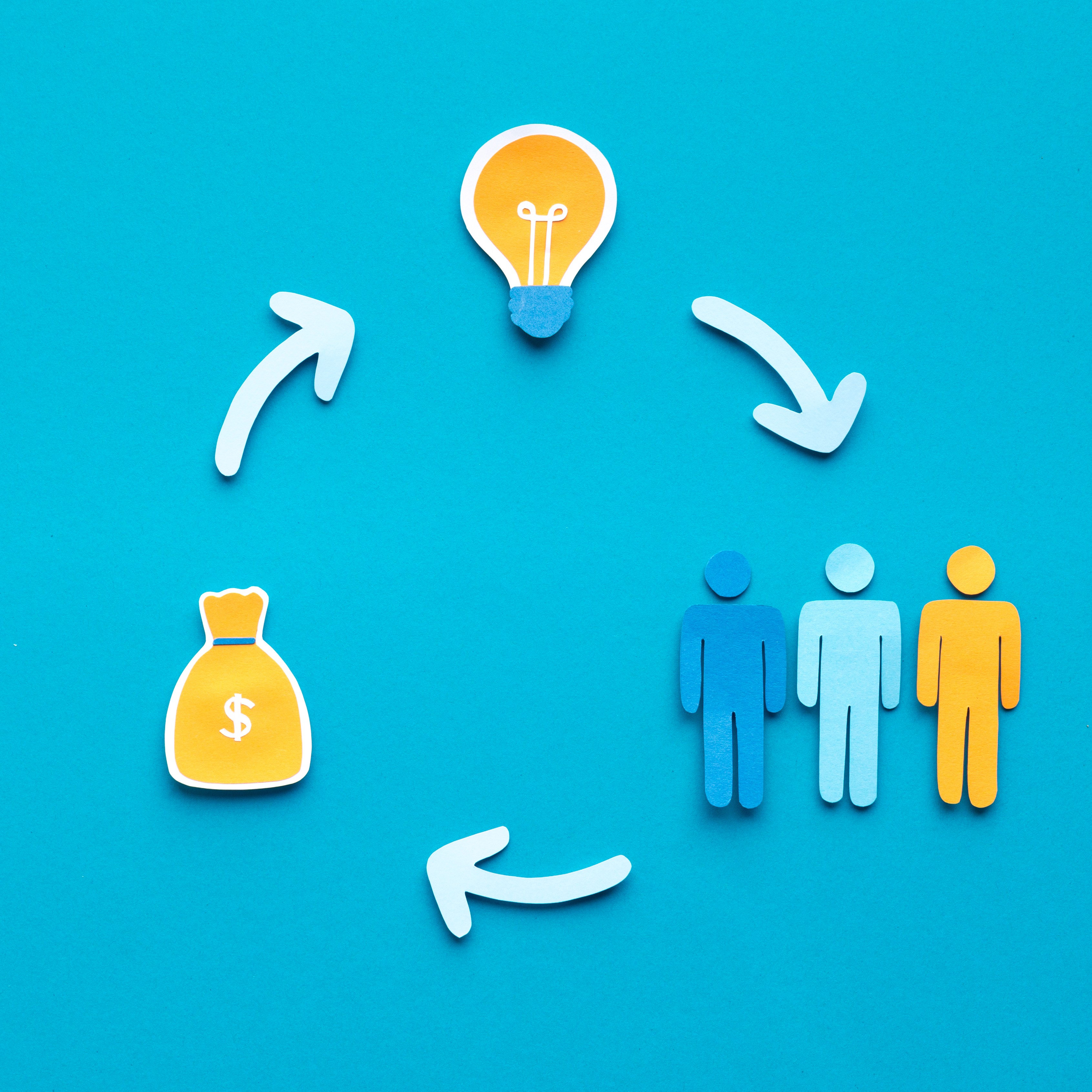
The flywheel is heavy at the start. That's not a flaw. That's the physics of how compounding works. It takes real energy to get it moving, and almost none to keep it spinning once it is.
Results in the early months look like infrastructure, not revenue. That's exactly what should be happening. If you're measuring success by closed deals in Month 2, you're measuring the wrong thing.
The businesses that commit to the full timeline don't just get marketing that works. They get a compounding advantage that grows harder to close every single month their competitors sit on the sidelines.

Why the Timeline Conversation Matters More Than Any Other
Here's what I've watched happen more times than I can count.
A service business owner gets genuinely excited about a marketing system. They understand it. They believe in it. They sign up. They start. Month 1 goes well. Month 2 feels productive. Month 3 arrives and the results aren't what they imagined by now, so the doubt creeps in. By Month 4 they're questioning everything. By Month 5, half of them have quit.
And then six months later, they're watching a competitor who stayed the course become the most recognized name in their market. From the sidelines.
The quitting isn't a character flaw. It's an information problem. Nobody told them what Month 3 was supposed to feel like. Nobody warned them that the absence of visible results at that stage is exactly what a working system looks like. Nobody drew the map.
This is the map.
Month 1: You're Building the Engine, Not Driving the Car
Month 1 is not a marketing month. It's a construction month.
Your positioning gets documented. Your ideal client profile gets built with real specificity, not vague generalities. Your content strategy gets architected around a clear point of view and a set of positions only you can hold. Your CRM gets set up correctly. Your pipeline stages get defined. Your nurture sequences get built. Your content calendar gets planned.
None of this is visible to your market. None of it generates a lead. None of it closes a deal. And every single piece of it is necessary before anything else works.
Think about it like a restaurant kitchen before opening day. The team is in there. The equipment is being installed. The menu is being tested. The prep work is relentless. But the dining room is empty and the sign still says Closed.
A business owner who walks into their kitchen on Day 25 and says "we haven't served a single customer yet, maybe this isn't working" is making the most expensive mistake in entrepreneurship: judging a system before it's been built.
Month 1 is the build. The only measure of success in Month 1 is whether the foundation is solid. If it is, everything that follows has something real to compound on. If it isn't, you'll spend the next six months getting mediocre results from a shaky base and wondering why it isn't working.
What success looks like in Month 1: Positioning documented. Content strategy in place. First Content Day executed. Pipeline infrastructure live. Publishing has started.
Months 2 and 3: The Hardest Part of the Whole Process
I want to be straight with you about Months 2 and 3, because this is where most businesses make the mistake that costs them everything.
The content is going out. The emails are running. The ads might be starting. You are doing the work. And the results are... quiet. Follower counts are moving slowly. The phone isn't ringing yet. You're not getting the "I saw your content everywhere" moments. You're just publishing into what feels like a void and hoping something happens.
This is completely normal.
It's also the moment most businesses panic and do one of two things. They either stop, deciding that marketing doesn't work for their type of business. Or they start adding things. A new platform. A different tactic. A completely different content angle. They start dismantling the system before it's had any real chance to work, replacing it with whatever feels more active.
Both responses are fatal to the flywheel.
Here's why Month 3 feels the way it does. Content compounds like interest, not like a vending machine. You don't put money in and get a result out immediately. You deposit consistently, month after month, and at some point the interest starts earning interest. The early months are deposits. You won't see the compounding until you've been depositing long enough for it to accumulate.
The flywheel physics are the same. The flywheel is heavy at the start. You push it hard and it barely moves. You push it again and it moves a little more. You keep pushing, consistently, with real effort, and for a while it feels like you're working incredibly hard for almost nothing visible in return. That's not the system failing. That's momentum accumulating in a form you can't see yet.
The one thing that kills it: stopping. Or adding so many new things that the original inputs never get enough consistent repetition to compound.
What success looks like in Months 2 and 3: Content publishing on schedule. First organic engagement from people outside your immediate network. Someone mentioning your content who you didn't personally invite to see it. Your audience is growing, even if slowly. The system is live and running without requiring heroic effort to maintain.
Months 4 Through 6: The First Real Signals
This is where it starts to feel different.
Not dramatically. Not overnight. But something shifts somewhere in Month 4 or 5 that you can actually point to.
A prospect gets on a discovery call and says they've been following your content for a few weeks. Someone in your market shares one of your posts without you asking them to. You get an inquiry from someone you've never met who found you through a piece of content you published six weeks ago. A client mentions your social media to a colleague before the referral call even happens.
These moments don't look like revenue yet. They look like recognition. And recognition is the currency that eventually converts into revenue, consistently, without you personally chasing every single lead.
This is Rung 2 on the Momentum Ladder. The market is starting to notice you. The content is finding people you haven't personally reached. The foundation you built in Month 1 and the consistency you maintained through the hard months of 2 and 3 are starting to pay forward.
At 54 Realty, COO Alison Bresciani described it this way: nearly everyone who walks through the door now mentions their social media, or says they feel like they already know them before the first conversation. That recognition didn't happen in the first month. It happened after the system had been running long enough to create genuine presence in their market.
Month 6 is also when the acquisition infrastructure starts connecting to the authority you've been building. The automated follow-up sequences are warm now because people have seen your content before they hit your funnel. Your discovery calls are shorter because prospects arrive pre-educated. The sales conversation shifts from convincing to confirming.
What success looks like in Months 4 through 6: Organic recognition moments starting to happen. Prospects referencing your content on calls. First clear proof that content is generating inbound interest without a direct push. The pipeline is filling from the system, not just from your personal referral network.
Months 7 Through 9: The Flywheel Starts Pulling
Here's the shift that happens around Month 7 that no amount of description fully prepares you for.
You stop feeling like you're pushing the flywheel. It starts pulling you.
The content machine has enough volume now that individual pieces are compounding off each other. A video from Month 2 is still generating views and it's linking to newer content. Your email list has grown to the point where a single send produces real results. Prospects are arriving on calls saying they've been following you for months, not weeks. Your name is coming up in conversations you weren't part of.
This is Rung 3 on the Momentum Ladder. You are no longer just visible. You are recognized. There is a meaningful difference between those two things.
Visibility means people can find you if they look. Recognition means they know who you are before they go looking.
Alex Yu got recognized at a car wash. He wasn't networking. He wasn't running an ad. He was getting his car detailed. And a complete stranger knew exactly who he was because the system had built enough presence that recognition had become something that just happened to him, rather than something he had to create by showing up and introducing himself everywhere.
That's what Month 7 or 8 feels like when the system is working.
What success looks like in Months 7 through 9: Consistent inbound from content. Discovery calls opening with "I've been following your content." Referrals multiplying because your clients are proud to be associated with a brand people recognize. Pipeline filling from multiple sources simultaneously, not just one.
Months 10 Through 12: Compounding Advantage
By Month 10, something important has happened that most people don't notice until they look back.
You have built something your competitors cannot easily copy.
They can copy a tactic overnight. They can hire the same agency you hired. They can post the same type of content. But they cannot copy six months of consistent brand presence in your market. They cannot copy the trust your audience has built with you through dozens of pieces of content consumed over time. They cannot copy the authority you've established by showing up, consistently, with a clear and specific point of view, week after week.
That gap compounds. Every month you've been building, the gap between you and the competitors who are still deciding whether to commit has gotten wider. By Month 12, some of those competitors have tried and stopped twice. You're still running. The distance between you is not linear anymore. It's exponential.
High IQ founder Michael Hopkins went from churn and chaos to a $6.8 million valuation. That didn't happen because of a campaign. It happened because of a system that built authority, generated consistent pipeline, and empowered his team to run lead generation without the business depending entirely on him personally. The compounding advantage at Month 12 is not just the marketing results. It's the organizational capability that now lives inside the business because the system was built there.
What success looks like in Months 10 through 12: Inbound leads arriving without campaigns. Pipeline predictable enough to make confident hiring decisions. Brand recognition in your market that walks into rooms before you do. A system running largely without your personal intervention on every piece.
The Quitting Point: Why Month 3 or 4 Kills More Businesses Than Bad Marketing Ever Did
I want to come back to this because it's the most important thing in this entire article.
The businesses that fail at marketing almost never fail because the strategy was wrong. They fail because they quit before the strategy had time to work. And the quit almost always happens in the same window: somewhere between Month 3 and Month 5, when the work is real but the visible results are still early.
You'll know you're approaching the quitting point when the following thought starts forming: "We've been doing this for a few months and I'm not sure it's working."
That thought is normal. It visits almost every business owner at this stage. The question is what you do with it.
The wrong response is to stop, or to dramatically change direction, or to add a bunch of new tactics to make it feel like more is happening. Every one of those responses resets the clock. You don't pick up where you left off. You start over. The compounding you accumulated evaporates.
The right response is to check the leading indicators, not the lagging ones. Revenue is a lagging indicator. It shows up after everything else has worked. The leading indicators at Month 3 or 4 are: Is content going out consistently? Is the audience growing? Are you seeing first recognition moments? Is the system running? If yes to all four, the system is working. The revenue part comes later, and it comes because of what's happening right now.
The flywheel is heavy. That's not a flaw in the design. That's how you know it'll keep spinning when you stop pushing.
What This Means for Your Decision
If you're evaluating whether to invest in a real marketing system, this timeline is the most important thing you can internalize before you decide.
Not the investment. Not the deliverables. Not the features of any particular program.
The timeline.
Because the investment and the deliverables only produce their return if you stay the course long enough for compounding to work. A business that commits for three months and quits gets almost none of the return. A business that commits for twelve months gets everything the system was designed to produce, plus the compounding advantage that makes the next twelve months even more powerful.
This is exactly why every serious marketing program worth working with has a minimum commitment. Not to trap you. To protect you from the version of yourself that shows up at Month 3 and wants to make a decision based on incomplete data.
The commitment isn't the marketing company protecting their revenue. It's the only structure that gives the system enough runway to actually work.

CONCLUSION
Before you get on a call with anyone about marketing, including us, ask yourself one honest question.
Are you ready to commit to the timeline, or are you hoping for an exception?
Because the timeline isn't negotiable. The physics of compounding don't make exceptions for businesses that are in a hurry. The flywheel doesn't skip the heavy early months because you need results faster. Every business that has ever built real, compounding marketing presence has done it the same way: consistently, over time, without stopping when it got uncomfortable.
If you're ready for that, the return on the other end is real. We've watched it happen with businesses at every revenue stage, across every service category. The pattern is always the same. The ones who stay the course get the compounding advantage. The ones who quit at Month 3 watch someone else get it instead.
If you want to know exactly where your marketing stands right now, grab some time with us and let's talk about what's working, what's missing, and what the system would need to look like to start building that compounding advantage for your business
Stay Inspired
Get fresh design insights, articles, and resources delivered straight to your inbox.
Latest Blogs


Marketing Strategy
The Honest Timeline for Marketing That Actually Works
The Honest Timeline for Marketing That Actually Works
Every service business owner wants to know the same thing before they commit to a real marketing investment: how long before I see something? This is the answer most agencies are too afraid to give you. We're not.
Every service business owner wants to know the same thing before they commit to a real marketing investment: how long before I see something? This is the answer most agencies are too afraid to give you. We're not.
TLDR
Real marketing that compounds doesn't produce results in 30 days. Month 1 is infrastructure. Month 3 is early signals. Month 6 is momentum you can feel. Month 12 is a competitive advantage your competitors cannot easily close. Most businesses quit somewhere around Month 4, right before the flywheel starts pulling on its own. This article tells you exactly what to expect at every stage so you can decide whether you're ready for the commitment before you make it.
INTRODUCTION
Alex Yu was getting his car detailed on a Tuesday afternoon when the attendant looked up and said, "Hey, I see you everywhere."
Not a client. Not a referral. Not someone in his network. A stranger at a car wash who recognized him from his content.
That moment doesn't happen in Month 1. It doesn't happen in Month 3. It happens when the flywheel has been turning long enough that your market can't ignore you anymore. When the content has compounded. When the authority has stacked. When the system has been running consistently long enough to create the kind of presence that follows you into places you've never been.
Alex's moment was around Month 8.
And I'll tell you something else: there were months before Month 8 where he wondered if any of it was working.
That's the conversation the marketing industry refuses to have with you. They show you the Month 8 story and leave out the Month 3 doubt. They sell you on the result without preparing you for the road.
So here's the road. Honestly. All of it.
KEY TAKEAWAYS
Marketing that compounds has a predictable timeline. Month 1 is foundation. Months 2 and 3 are the hardest because you're doing the work without seeing the return yet. Months 4 through 6 are where the first real signals appear. Months 7 through 12 are where it starts to pull.
Most businesses that fail with marketing don't fail because the system didn't work. They quit at Month 3 or 4, right before momentum starts to build. Knowing this in advance is the difference between a business that makes it and one that doesn't.
The flywheel is heavy at the start. That's not a flaw. That's the physics of how compounding works. It takes real energy to get it moving, and almost none to keep it spinning once it is.
Results in the early months look like infrastructure, not revenue. That's exactly what should be happening. If you're measuring success by closed deals in Month 2, you're measuring the wrong thing.
The businesses that commit to the full timeline don't just get marketing that works. They get a compounding advantage that grows harder to close every single month their competitors sit on the sidelines.
Why the Timeline Conversation Matters More Than Any Other
Here's what I've watched happen more times than I can count.
A service business owner gets genuinely excited about a marketing system. They understand it. They believe in it. They sign up. They start. Month 1 goes well. Month 2 feels productive. Month 3 arrives and the results aren't what they imagined by now, so the doubt creeps in. By Month 4 they're questioning everything. By Month 5, half of them have quit.
And then six months later, they're watching a competitor who stayed the course become the most recognized name in their market. From the sidelines.
The quitting isn't a character flaw. It's an information problem. Nobody told them what Month 3 was supposed to feel like. Nobody warned them that the absence of visible results at that stage is exactly what a working system looks like. Nobody drew the map.
This is the map.
Month 1: You're Building the Engine, Not Driving the Car
Month 1 is not a marketing month. It's a construction month.
Your positioning gets documented. Your ideal client profile gets built with real specificity, not vague generalities. Your content strategy gets architected around a clear point of view and a set of positions only you can hold. Your CRM gets set up correctly. Your pipeline stages get defined. Your nurture sequences get built. Your content calendar gets planned.
None of this is visible to your market. None of it generates a lead. None of it closes a deal. And every single piece of it is necessary before anything else works.
Think about it like a restaurant kitchen before opening day. The team is in there. The equipment is being installed. The menu is being tested. The prep work is relentless. But the dining room is empty and the sign still says Closed.
A business owner who walks into their kitchen on Day 25 and says "we haven't served a single customer yet, maybe this isn't working" is making the most expensive mistake in entrepreneurship: judging a system before it's been built.
Month 1 is the build. The only measure of success in Month 1 is whether the foundation is solid. If it is, everything that follows has something real to compound on. If it isn't, you'll spend the next six months getting mediocre results from a shaky base and wondering why it isn't working.
What success looks like in Month 1: Positioning documented. Content strategy in place. First Content Day executed. Pipeline infrastructure live. Publishing has started.
Months 2 and 3: The Hardest Part of the Whole Process
I want to be straight with you about Months 2 and 3, because this is where most businesses make the mistake that costs them everything.
The content is going out. The emails are running. The ads might be starting. You are doing the work. And the results are... quiet. Follower counts are moving slowly. The phone isn't ringing yet. You're not getting the "I saw your content everywhere" moments. You're just publishing into what feels like a void and hoping something happens.
This is completely normal.
It's also the moment most businesses panic and do one of two things. They either stop, deciding that marketing doesn't work for their type of business. Or they start adding things. A new platform. A different tactic. A completely different content angle. They start dismantling the system before it's had any real chance to work, replacing it with whatever feels more active.
Both responses are fatal to the flywheel.
Here's why Month 3 feels the way it does. Content compounds like interest, not like a vending machine. You don't put money in and get a result out immediately. You deposit consistently, month after month, and at some point the interest starts earning interest. The early months are deposits. You won't see the compounding until you've been depositing long enough for it to accumulate.
The flywheel physics are the same. The flywheel is heavy at the start. You push it hard and it barely moves. You push it again and it moves a little more. You keep pushing, consistently, with real effort, and for a while it feels like you're working incredibly hard for almost nothing visible in return. That's not the system failing. That's momentum accumulating in a form you can't see yet.
The one thing that kills it: stopping. Or adding so many new things that the original inputs never get enough consistent repetition to compound.
What success looks like in Months 2 and 3: Content publishing on schedule. First organic engagement from people outside your immediate network. Someone mentioning your content who you didn't personally invite to see it. Your audience is growing, even if slowly. The system is live and running without requiring heroic effort to maintain.
Months 4 Through 6: The First Real Signals
This is where it starts to feel different.
Not dramatically. Not overnight. But something shifts somewhere in Month 4 or 5 that you can actually point to.
A prospect gets on a discovery call and says they've been following your content for a few weeks. Someone in your market shares one of your posts without you asking them to. You get an inquiry from someone you've never met who found you through a piece of content you published six weeks ago. A client mentions your social media to a colleague before the referral call even happens.
These moments don't look like revenue yet. They look like recognition. And recognition is the currency that eventually converts into revenue, consistently, without you personally chasing every single lead.
This is Rung 2 on the Momentum Ladder. The market is starting to notice you. The content is finding people you haven't personally reached. The foundation you built in Month 1 and the consistency you maintained through the hard months of 2 and 3 are starting to pay forward.
At 54 Realty, COO Alison Bresciani described it this way: nearly everyone who walks through the door now mentions their social media, or says they feel like they already know them before the first conversation. That recognition didn't happen in the first month. It happened after the system had been running long enough to create genuine presence in their market.
Month 6 is also when the acquisition infrastructure starts connecting to the authority you've been building. The automated follow-up sequences are warm now because people have seen your content before they hit your funnel. Your discovery calls are shorter because prospects arrive pre-educated. The sales conversation shifts from convincing to confirming.
What success looks like in Months 4 through 6: Organic recognition moments starting to happen. Prospects referencing your content on calls. First clear proof that content is generating inbound interest without a direct push. The pipeline is filling from the system, not just from your personal referral network.
Months 7 Through 9: The Flywheel Starts Pulling
Here's the shift that happens around Month 7 that no amount of description fully prepares you for.
You stop feeling like you're pushing the flywheel. It starts pulling you.
The content machine has enough volume now that individual pieces are compounding off each other. A video from Month 2 is still generating views and it's linking to newer content. Your email list has grown to the point where a single send produces real results. Prospects are arriving on calls saying they've been following you for months, not weeks. Your name is coming up in conversations you weren't part of.
This is Rung 3 on the Momentum Ladder. You are no longer just visible. You are recognized. There is a meaningful difference between those two things.
Visibility means people can find you if they look. Recognition means they know who you are before they go looking.
Alex Yu got recognized at a car wash. He wasn't networking. He wasn't running an ad. He was getting his car detailed. And a complete stranger knew exactly who he was because the system had built enough presence that recognition had become something that just happened to him, rather than something he had to create by showing up and introducing himself everywhere.
That's what Month 7 or 8 feels like when the system is working.
What success looks like in Months 7 through 9: Consistent inbound from content. Discovery calls opening with "I've been following your content." Referrals multiplying because your clients are proud to be associated with a brand people recognize. Pipeline filling from multiple sources simultaneously, not just one.
Months 10 Through 12: Compounding Advantage
By Month 10, something important has happened that most people don't notice until they look back.
You have built something your competitors cannot easily copy.
They can copy a tactic overnight. They can hire the same agency you hired. They can post the same type of content. But they cannot copy six months of consistent brand presence in your market. They cannot copy the trust your audience has built with you through dozens of pieces of content consumed over time. They cannot copy the authority you've established by showing up, consistently, with a clear and specific point of view, week after week.
That gap compounds. Every month you've been building, the gap between you and the competitors who are still deciding whether to commit has gotten wider. By Month 12, some of those competitors have tried and stopped twice. You're still running. The distance between you is not linear anymore. It's exponential.
High IQ founder Michael Hopkins went from churn and chaos to a $6.8 million valuation. That didn't happen because of a campaign. It happened because of a system that built authority, generated consistent pipeline, and empowered his team to run lead generation without the business depending entirely on him personally. The compounding advantage at Month 12 is not just the marketing results. It's the organizational capability that now lives inside the business because the system was built there.
What success looks like in Months 10 through 12: Inbound leads arriving without campaigns. Pipeline predictable enough to make confident hiring decisions. Brand recognition in your market that walks into rooms before you do. A system running largely without your personal intervention on every piece.
The Quitting Point: Why Month 3 or 4 Kills More Businesses Than Bad Marketing Ever Did
I want to come back to this because it's the most important thing in this entire article.
The businesses that fail at marketing almost never fail because the strategy was wrong. They fail because they quit before the strategy had time to work. And the quit almost always happens in the same window: somewhere between Month 3 and Month 5, when the work is real but the visible results are still early.
You'll know you're approaching the quitting point when the following thought starts forming: "We've been doing this for a few months and I'm not sure it's working."
That thought is normal. It visits almost every business owner at this stage. The question is what you do with it.
The wrong response is to stop, or to dramatically change direction, or to add a bunch of new tactics to make it feel like more is happening. Every one of those responses resets the clock. You don't pick up where you left off. You start over. The compounding you accumulated evaporates.
The right response is to check the leading indicators, not the lagging ones. Revenue is a lagging indicator. It shows up after everything else has worked. The leading indicators at Month 3 or 4 are: Is content going out consistently? Is the audience growing? Are you seeing first recognition moments? Is the system running? If yes to all four, the system is working. The revenue part comes later, and it comes because of what's happening right now.
The flywheel is heavy. That's not a flaw in the design. That's how you know it'll keep spinning when you stop pushing.
What This Means for Your Decision
If you're evaluating whether to invest in a real marketing system, this timeline is the most important thing you can internalize before you decide.
Not the investment. Not the deliverables. Not the features of any particular program.
The timeline.
Because the investment and the deliverables only produce their return if you stay the course long enough for compounding to work. A business that commits for three months and quits gets almost none of the return. A business that commits for twelve months gets everything the system was designed to produce, plus the compounding advantage that makes the next twelve months even more powerful.
This is exactly why every serious marketing program worth working with has a minimum commitment. Not to trap you. To protect you from the version of yourself that shows up at Month 3 and wants to make a decision based on incomplete data.
The commitment isn't the marketing company protecting their revenue. It's the only structure that gives the system enough runway to actually work.
CONCLUSION
Before you get on a call with anyone about marketing, including us, ask yourself one honest question.
Are you ready to commit to the timeline, or are you hoping for an exception?
Because the timeline isn't negotiable. The physics of compounding don't make exceptions for businesses that are in a hurry. The flywheel doesn't skip the heavy early months because you need results faster. Every business that has ever built real, compounding marketing presence has done it the same way: consistently, over time, without stopping when it got uncomfortable.
If you're ready for that, the return on the other end is real. We've watched it happen with businesses at every revenue stage, across every service category. The pattern is always the same. The ones who stay the course get the compounding advantage. The ones who quit at Month 3 watch someone else get it instead.
If you want to know exactly where your marketing stands right now, grab some time with us and let's talk about what's working, what's missing, and what the system would need to look like to start building that compounding advantage for your business
Stay Inspired
Get fresh design insights, articles, and resources delivered straight to your inbox.
Latest Blogs
Marketing Strategy
The Honest Timeline for Marketing That Actually Works
The Honest Timeline for Marketing That Actually Works
Every service business owner wants to know the same thing before they commit to a real marketing investment: how long before I see something? This is the answer most agencies are too afraid to give you. We're not.
Every service business owner wants to know the same thing before they commit to a real marketing investment: how long before I see something? This is the answer most agencies are too afraid to give you. We're not.
TLDR
Real marketing that compounds doesn't produce results in 30 days. Month 1 is infrastructure. Month 3 is early signals. Month 6 is momentum you can feel. Month 12 is a competitive advantage your competitors cannot easily close. Most businesses quit somewhere around Month 4, right before the flywheel starts pulling on its own. This article tells you exactly what to expect at every stage so you can decide whether you're ready for the commitment before you make it.
INTRODUCTION
Alex Yu was getting his car detailed on a Tuesday afternoon when the attendant looked up and said, "Hey, I see you everywhere."
Not a client. Not a referral. Not someone in his network. A stranger at a car wash who recognized him from his content.
That moment doesn't happen in Month 1. It doesn't happen in Month 3. It happens when the flywheel has been turning long enough that your market can't ignore you anymore. When the content has compounded. When the authority has stacked. When the system has been running consistently long enough to create the kind of presence that follows you into places you've never been.
Alex's moment was around Month 8.
And I'll tell you something else: there were months before Month 8 where he wondered if any of it was working.
That's the conversation the marketing industry refuses to have with you. They show you the Month 8 story and leave out the Month 3 doubt. They sell you on the result without preparing you for the road.
So here's the road. Honestly. All of it.
KEY TAKEAWAYS
Marketing that compounds has a predictable timeline. Month 1 is foundation. Months 2 and 3 are the hardest because you're doing the work without seeing the return yet. Months 4 through 6 are where the first real signals appear. Months 7 through 12 are where it starts to pull.
Most businesses that fail with marketing don't fail because the system didn't work. They quit at Month 3 or 4, right before momentum starts to build. Knowing this in advance is the difference between a business that makes it and one that doesn't.
The flywheel is heavy at the start. That's not a flaw. That's the physics of how compounding works. It takes real energy to get it moving, and almost none to keep it spinning once it is.
Results in the early months look like infrastructure, not revenue. That's exactly what should be happening. If you're measuring success by closed deals in Month 2, you're measuring the wrong thing.
The businesses that commit to the full timeline don't just get marketing that works. They get a compounding advantage that grows harder to close every single month their competitors sit on the sidelines.
Why the Timeline Conversation Matters More Than Any Other
Here's what I've watched happen more times than I can count.
A service business owner gets genuinely excited about a marketing system. They understand it. They believe in it. They sign up. They start. Month 1 goes well. Month 2 feels productive. Month 3 arrives and the results aren't what they imagined by now, so the doubt creeps in. By Month 4 they're questioning everything. By Month 5, half of them have quit.
And then six months later, they're watching a competitor who stayed the course become the most recognized name in their market. From the sidelines.
The quitting isn't a character flaw. It's an information problem. Nobody told them what Month 3 was supposed to feel like. Nobody warned them that the absence of visible results at that stage is exactly what a working system looks like. Nobody drew the map.
This is the map.
Month 1: You're Building the Engine, Not Driving the Car
Month 1 is not a marketing month. It's a construction month.
Your positioning gets documented. Your ideal client profile gets built with real specificity, not vague generalities. Your content strategy gets architected around a clear point of view and a set of positions only you can hold. Your CRM gets set up correctly. Your pipeline stages get defined. Your nurture sequences get built. Your content calendar gets planned.
None of this is visible to your market. None of it generates a lead. None of it closes a deal. And every single piece of it is necessary before anything else works.
Think about it like a restaurant kitchen before opening day. The team is in there. The equipment is being installed. The menu is being tested. The prep work is relentless. But the dining room is empty and the sign still says Closed.
A business owner who walks into their kitchen on Day 25 and says "we haven't served a single customer yet, maybe this isn't working" is making the most expensive mistake in entrepreneurship: judging a system before it's been built.
Month 1 is the build. The only measure of success in Month 1 is whether the foundation is solid. If it is, everything that follows has something real to compound on. If it isn't, you'll spend the next six months getting mediocre results from a shaky base and wondering why it isn't working.
What success looks like in Month 1: Positioning documented. Content strategy in place. First Content Day executed. Pipeline infrastructure live. Publishing has started.
Months 2 and 3: The Hardest Part of the Whole Process
I want to be straight with you about Months 2 and 3, because this is where most businesses make the mistake that costs them everything.
The content is going out. The emails are running. The ads might be starting. You are doing the work. And the results are... quiet. Follower counts are moving slowly. The phone isn't ringing yet. You're not getting the "I saw your content everywhere" moments. You're just publishing into what feels like a void and hoping something happens.
This is completely normal.
It's also the moment most businesses panic and do one of two things. They either stop, deciding that marketing doesn't work for their type of business. Or they start adding things. A new platform. A different tactic. A completely different content angle. They start dismantling the system before it's had any real chance to work, replacing it with whatever feels more active.
Both responses are fatal to the flywheel.
Here's why Month 3 feels the way it does. Content compounds like interest, not like a vending machine. You don't put money in and get a result out immediately. You deposit consistently, month after month, and at some point the interest starts earning interest. The early months are deposits. You won't see the compounding until you've been depositing long enough for it to accumulate.
The flywheel physics are the same. The flywheel is heavy at the start. You push it hard and it barely moves. You push it again and it moves a little more. You keep pushing, consistently, with real effort, and for a while it feels like you're working incredibly hard for almost nothing visible in return. That's not the system failing. That's momentum accumulating in a form you can't see yet.
The one thing that kills it: stopping. Or adding so many new things that the original inputs never get enough consistent repetition to compound.
What success looks like in Months 2 and 3: Content publishing on schedule. First organic engagement from people outside your immediate network. Someone mentioning your content who you didn't personally invite to see it. Your audience is growing, even if slowly. The system is live and running without requiring heroic effort to maintain.
Months 4 Through 6: The First Real Signals
This is where it starts to feel different.
Not dramatically. Not overnight. But something shifts somewhere in Month 4 or 5 that you can actually point to.
A prospect gets on a discovery call and says they've been following your content for a few weeks. Someone in your market shares one of your posts without you asking them to. You get an inquiry from someone you've never met who found you through a piece of content you published six weeks ago. A client mentions your social media to a colleague before the referral call even happens.
These moments don't look like revenue yet. They look like recognition. And recognition is the currency that eventually converts into revenue, consistently, without you personally chasing every single lead.
This is Rung 2 on the Momentum Ladder. The market is starting to notice you. The content is finding people you haven't personally reached. The foundation you built in Month 1 and the consistency you maintained through the hard months of 2 and 3 are starting to pay forward.
At 54 Realty, COO Alison Bresciani described it this way: nearly everyone who walks through the door now mentions their social media, or says they feel like they already know them before the first conversation. That recognition didn't happen in the first month. It happened after the system had been running long enough to create genuine presence in their market.
Month 6 is also when the acquisition infrastructure starts connecting to the authority you've been building. The automated follow-up sequences are warm now because people have seen your content before they hit your funnel. Your discovery calls are shorter because prospects arrive pre-educated. The sales conversation shifts from convincing to confirming.
What success looks like in Months 4 through 6: Organic recognition moments starting to happen. Prospects referencing your content on calls. First clear proof that content is generating inbound interest without a direct push. The pipeline is filling from the system, not just from your personal referral network.
Months 7 Through 9: The Flywheel Starts Pulling
Here's the shift that happens around Month 7 that no amount of description fully prepares you for.
You stop feeling like you're pushing the flywheel. It starts pulling you.
The content machine has enough volume now that individual pieces are compounding off each other. A video from Month 2 is still generating views and it's linking to newer content. Your email list has grown to the point where a single send produces real results. Prospects are arriving on calls saying they've been following you for months, not weeks. Your name is coming up in conversations you weren't part of.
This is Rung 3 on the Momentum Ladder. You are no longer just visible. You are recognized. There is a meaningful difference between those two things.
Visibility means people can find you if they look. Recognition means they know who you are before they go looking.
Alex Yu got recognized at a car wash. He wasn't networking. He wasn't running an ad. He was getting his car detailed. And a complete stranger knew exactly who he was because the system had built enough presence that recognition had become something that just happened to him, rather than something he had to create by showing up and introducing himself everywhere.
That's what Month 7 or 8 feels like when the system is working.
What success looks like in Months 7 through 9: Consistent inbound from content. Discovery calls opening with "I've been following your content." Referrals multiplying because your clients are proud to be associated with a brand people recognize. Pipeline filling from multiple sources simultaneously, not just one.
Months 10 Through 12: Compounding Advantage
By Month 10, something important has happened that most people don't notice until they look back.
You have built something your competitors cannot easily copy.
They can copy a tactic overnight. They can hire the same agency you hired. They can post the same type of content. But they cannot copy six months of consistent brand presence in your market. They cannot copy the trust your audience has built with you through dozens of pieces of content consumed over time. They cannot copy the authority you've established by showing up, consistently, with a clear and specific point of view, week after week.
That gap compounds. Every month you've been building, the gap between you and the competitors who are still deciding whether to commit has gotten wider. By Month 12, some of those competitors have tried and stopped twice. You're still running. The distance between you is not linear anymore. It's exponential.
High IQ founder Michael Hopkins went from churn and chaos to a $6.8 million valuation. That didn't happen because of a campaign. It happened because of a system that built authority, generated consistent pipeline, and empowered his team to run lead generation without the business depending entirely on him personally. The compounding advantage at Month 12 is not just the marketing results. It's the organizational capability that now lives inside the business because the system was built there.
What success looks like in Months 10 through 12: Inbound leads arriving without campaigns. Pipeline predictable enough to make confident hiring decisions. Brand recognition in your market that walks into rooms before you do. A system running largely without your personal intervention on every piece.
The Quitting Point: Why Month 3 or 4 Kills More Businesses Than Bad Marketing Ever Did
I want to come back to this because it's the most important thing in this entire article.
The businesses that fail at marketing almost never fail because the strategy was wrong. They fail because they quit before the strategy had time to work. And the quit almost always happens in the same window: somewhere between Month 3 and Month 5, when the work is real but the visible results are still early.
You'll know you're approaching the quitting point when the following thought starts forming: "We've been doing this for a few months and I'm not sure it's working."
That thought is normal. It visits almost every business owner at this stage. The question is what you do with it.
The wrong response is to stop, or to dramatically change direction, or to add a bunch of new tactics to make it feel like more is happening. Every one of those responses resets the clock. You don't pick up where you left off. You start over. The compounding you accumulated evaporates.
The right response is to check the leading indicators, not the lagging ones. Revenue is a lagging indicator. It shows up after everything else has worked. The leading indicators at Month 3 or 4 are: Is content going out consistently? Is the audience growing? Are you seeing first recognition moments? Is the system running? If yes to all four, the system is working. The revenue part comes later, and it comes because of what's happening right now.
The flywheel is heavy. That's not a flaw in the design. That's how you know it'll keep spinning when you stop pushing.
What This Means for Your Decision
If you're evaluating whether to invest in a real marketing system, this timeline is the most important thing you can internalize before you decide.
Not the investment. Not the deliverables. Not the features of any particular program.
The timeline.
Because the investment and the deliverables only produce their return if you stay the course long enough for compounding to work. A business that commits for three months and quits gets almost none of the return. A business that commits for twelve months gets everything the system was designed to produce, plus the compounding advantage that makes the next twelve months even more powerful.
This is exactly why every serious marketing program worth working with has a minimum commitment. Not to trap you. To protect you from the version of yourself that shows up at Month 3 and wants to make a decision based on incomplete data.
The commitment isn't the marketing company protecting their revenue. It's the only structure that gives the system enough runway to actually work.
CONCLUSION
Before you get on a call with anyone about marketing, including us, ask yourself one honest question.
Are you ready to commit to the timeline, or are you hoping for an exception?
Because the timeline isn't negotiable. The physics of compounding don't make exceptions for businesses that are in a hurry. The flywheel doesn't skip the heavy early months because you need results faster. Every business that has ever built real, compounding marketing presence has done it the same way: consistently, over time, without stopping when it got uncomfortable.
If you're ready for that, the return on the other end is real. We've watched it happen with businesses at every revenue stage, across every service category. The pattern is always the same. The ones who stay the course get the compounding advantage. The ones who quit at Month 3 watch someone else get it instead.
If you want to know exactly where your marketing stands right now, grab some time with us and let's talk about what's working, what's missing, and what the system would need to look like to start building that compounding advantage for your business
Stay Inspired
Get fresh design insights, articles, and resources delivered straight to your inbox.