Resources / Hiring a Marketing Team
How to choose an orthopedic marketing agency

The short answer
Choose the agency that can show you, in your own practice system, which marketing turned into a booked appointment and a new patient. Ask every agency the same ten questions below, including the uncomfortable one about what happens if it doesn't work. Then pick the proposal you can verify.
Why practices end up disappointed
When practice owners tell us about their last agency or freelancer, the same complaints come up. The agency didn't communicate. The numbers looked good in the report but never showed up at the front desk. Nobody could say which ads or posts were working. The freelancer was great for three months and then disappeared. And the owner was never quite sure what they were paying for each month. In their words, the juice wasn't worth the squeeze.
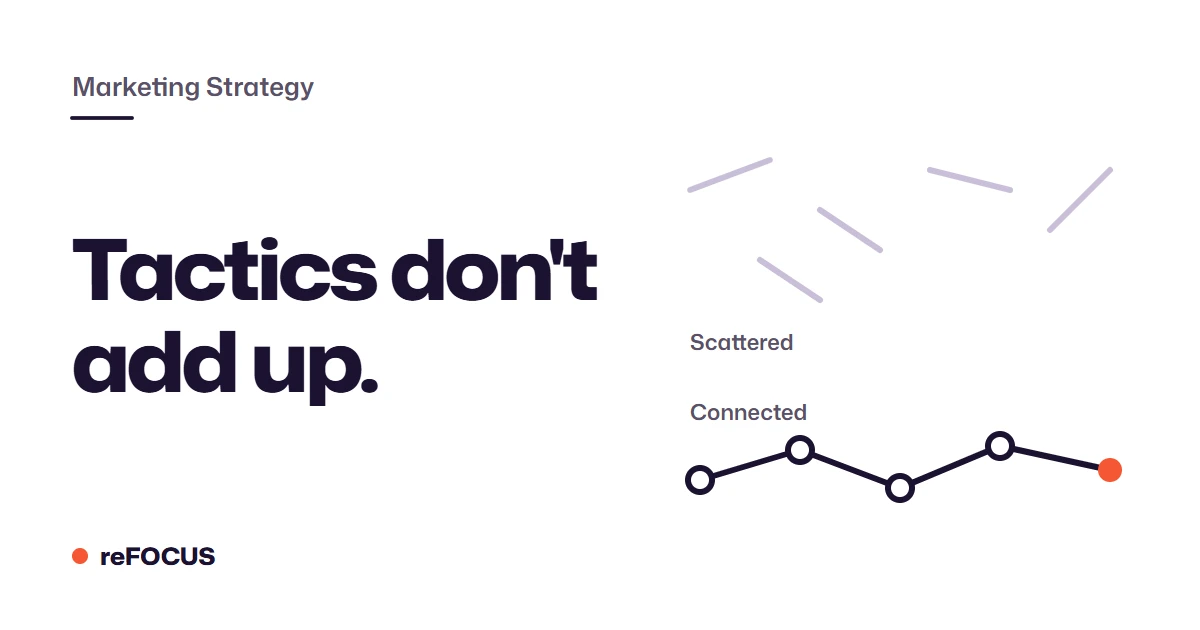
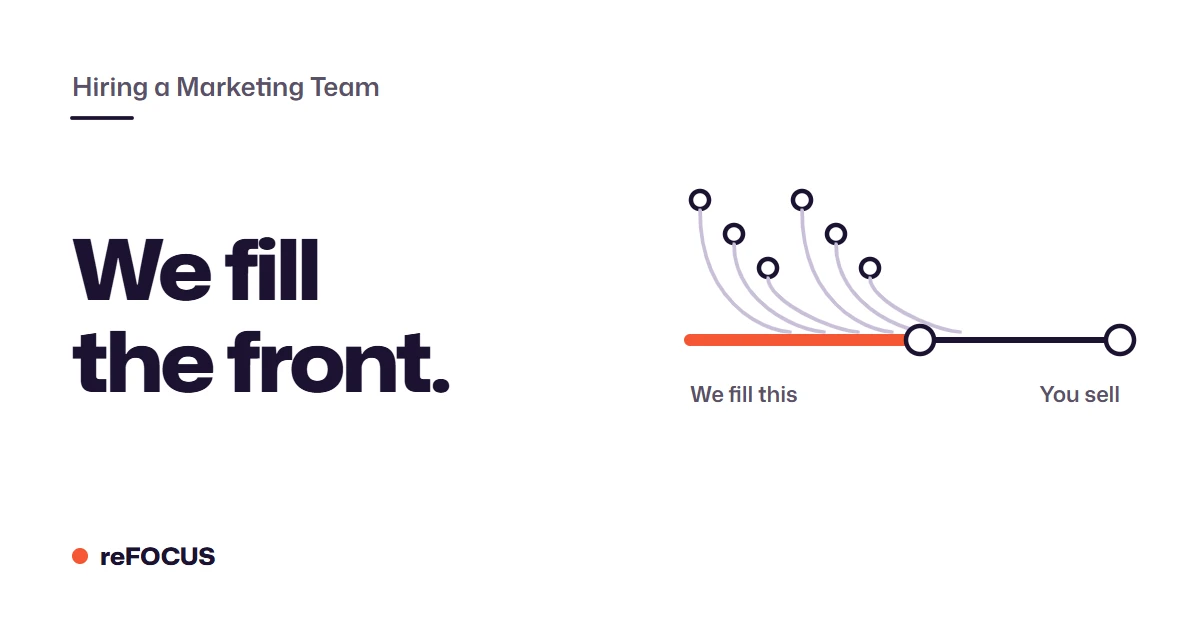
Most of that traces back to one gap: tracking that stops at the website form. An inquiry is only a milestone on the way to a new patient. An agency that reports only clicks and form fills is reporting the part of the job it controls and leaving out the part you care about.
What an orthopedic marketing agency should actually do
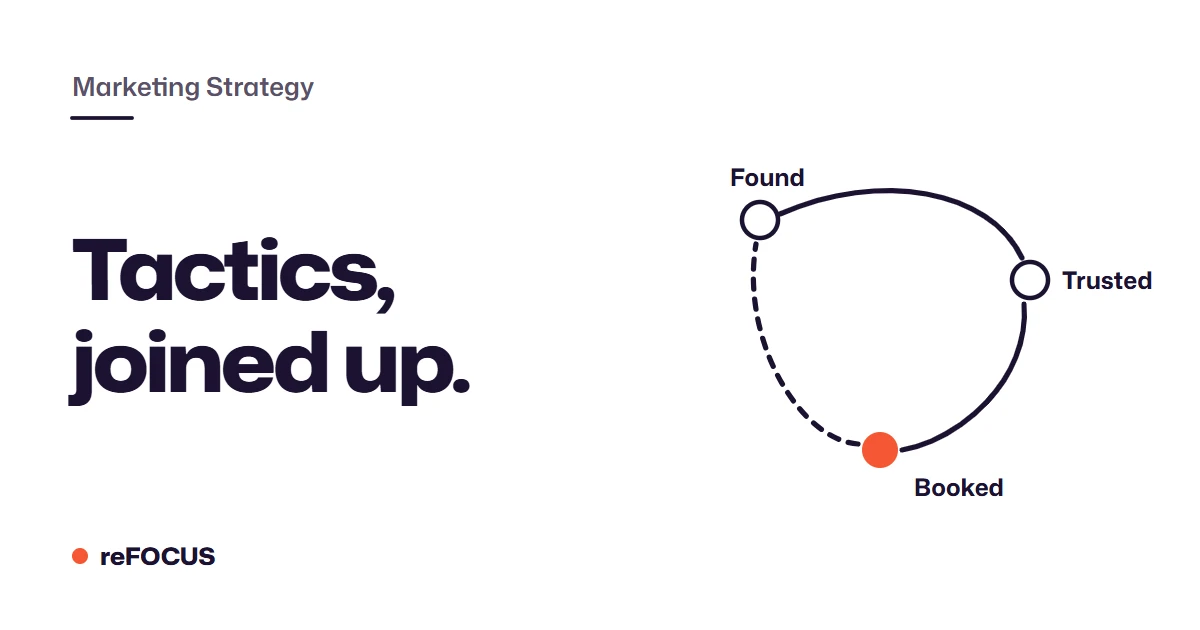
A good agency runs the whole path a new patient takes, from the first search to the first appointment:
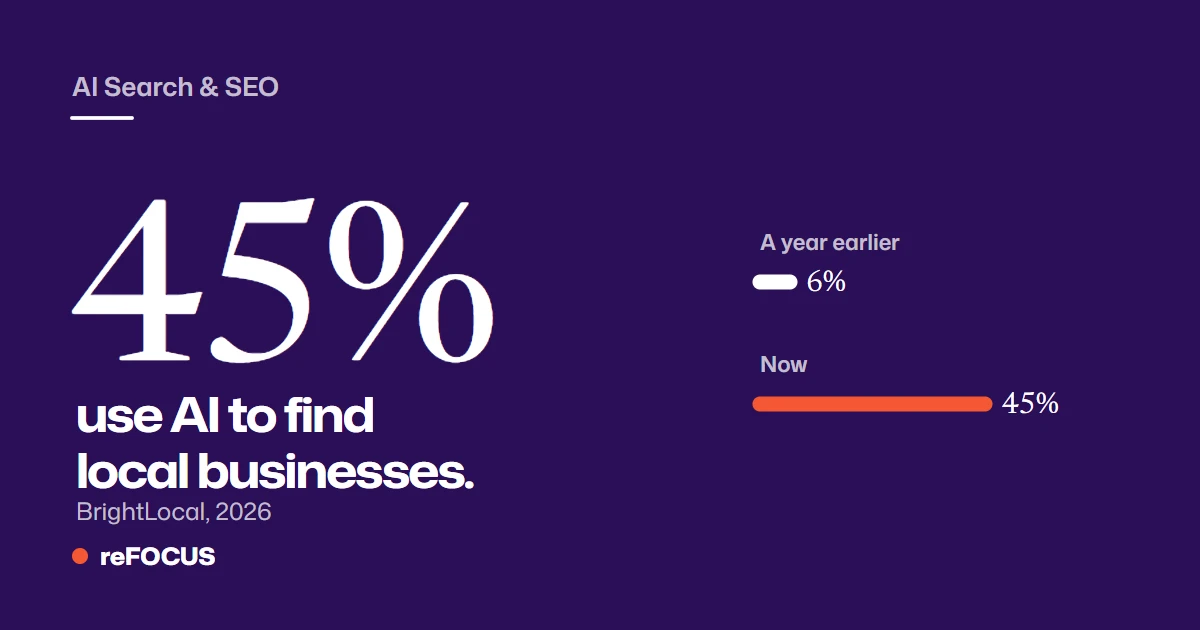
- Being found. Showing up when someone searches a condition plus your town ("orthopedic surgeon near me", "same day orthopedic care", "walk-in orthopedic clinic"), and when they ask ChatGPT or Google's AI who to see.
- Being trusted before the call. Reviews, your providers on camera, and content that explains conditions and treatments in plain words.
- Bringing in demand now. Paid search for the services patients search for most, such as walk-in care, same-day appointments and imaging.
- Following through. Making sure calls get answered, inquiries get followed up and past patients hear from you again.
- Proving it. A report that ties each channel to appointments and new patients.
It also has to do two things at once that pull in different directions. It has to build up each doctor's own reputation, and it has to build the practice's brand as a whole. At OSMC, learning the intake app and its software was the easy part. The hardest part was building up each doctor while also celebrating the practice as a whole.
Track it to the new patient
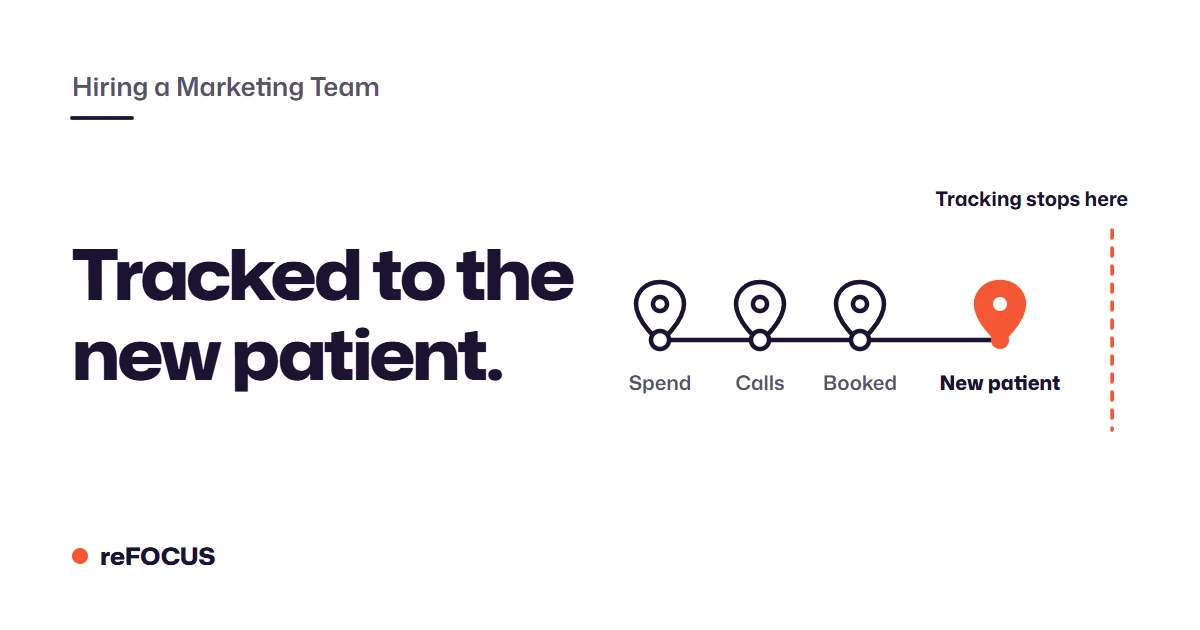
Nearly every agency drops the ball at the inquiry. A report that tracks all the way to the new patient covers four steps:
- Spend: what each channel cost, such as paid search, social and email.
- Calls and inquiries: every call is tracked by channel, along with how long it lasted. Call length separates real conversations from hang-ups and wrong numbers.
- Booked appointments: which calls became appointments, confirmed with the provider they were booked with.
- New patients: the practice confirms, in its own system, which appointments were new patients.
Tracking stops before any patient health information. The agency needs to know that a call came from a paid search ad and became a new patient. It doesn't need to know why the patient came in.
Ask every agency to show you a real report, with the client's details removed. If the report ends at "leads", you know where their accountability ends too.
Ten questions to ask every agency
Bring these to every meeting, and ask every agency all ten. The answers are easy to compare side by side.
Ten questions to ask every agency
Score each answer from 1 to 5
| Question | |||
|---|---|---|---|
| 01Who is responsible for our account, and who does the work each week? | / 5 | / 5 | / 5 |
| 02What does a typical week look like for us once we start? | / 5 | / 5 | / 5 |
| 03How will you track an inquiry to a new patient, and what will the report show? | / 5 | / 5 | / 5 |
| 04What happens if this isn't working by month three? | / 5 | / 5 | / 5 |
| 05Why this plan? What's the reasoning behind each campaign? | / 5 | / 5 | / 5 |
| 06How do you use AI in your own business, and how will it help ours? | / 5 | / 5 | / 5 |
| 07Will you sign a BAA, and where will you keep tracking pixels off our site? | / 5 | / 5 | / 5 |
| 08How will you build up each provider and the practice's brand? | / 5 | / 5 | / 5 |
| 09Which of our current systems will you look at before proposing anything? | / 5 | / 5 | / 5 |
| 10If we part ways, who owns the accounts, analytics, website and content? | / 5 | / 5 | / 5 |
| Total (out of 50) | - | - | - |
- Who is responsible for our account, and who does the work each week? Get names and roles. "Our team" isn't an answer.
- What does a typical week look like for us once we start? Meetings, approvals, filming days, and what you'll need from our staff.
- How will you track an inquiry through to a new patient, and what will the monthly report show? Ask to see one.
- What happens if this isn't working by month three? This is the conversation most owners avoid. Ask them to walk you through the last time a campaign missed, and what they changed.
- Why this plan? Ask for the reasoning behind each campaign and how it's structured. If the answer is jargon, ask again.
- How do you use AI in your own business, and how will that help ours? Ask for one example of how they use it in their own work, and what it changed for a client.
- Will you sign a business associate agreement when your work touches patient information, and where will you keep tracking pixels off our site?
- How will you build up each provider while also building the practice's brand? And what will you need from our doctors, including time on camera?
- Which of our current systems will you look at before proposing anything? Phones, scheduling, intake, the website and any patient apps.
- If we part ways, who owns the ad accounts, analytics, website and content? The answer should be "you do".
Red flags in a proposal
Walk away, or at least slow down, if you see these:
- Vocabulary you can't repeat back. Some agencies use industry language and impressive graphs until the owner says yes just to end the meeting. If you can't explain the plan to your office manager afterwards, it isn't a plan you can hold anyone to.
- Reporting that stops at leads. Clicks, impressions and form fills are milestones. If the proposal never mentions appointments or new patients, the agency doesn't plan to be measured on them.
- Promises of guaranteed rankings or patient numbers. Nobody controls Google, and outcome guarantees in medical advertising raise their own problems.
- No interest in your systems. An agency that proposes campaigns without asking about your phones, scheduling and intake will miss the gaps that cost you patients.
- A ready explanation for everything. Most agencies we've seen shy away from responsibility and come up with an impressive number of excuses. Ask what they changed after a client left.
What this looks like in real proposals
Two proposals we've reviewed this year, with names and exact figures removed.
A healthcare company was offered a full marketing package across four separate documents. Here's what was in it:
- SEO priced by the number of keywords: one price for five keywords, a higher one for 10 to 15. You'd be paying for a short list of rankings, with no link to customers.
- A set number of "high-authority backlinks" every month. Google treats bought links as spam, and they can hurt the site they're meant to help.
- Pages for nine cities where the company has no office, added in phases. Google's spam policies target near-duplicate location pages.
- "AI search optimization" and "AI Overview optimization" as line items, with nothing saying what would be done or how it would be measured.
- Automated "5-star review generation". Promising 5-star reviews is a warning sign. A system that only asks happy customers for reviews breaks Google's review policy, and US rules on reviews (the FTC's) are strict.
- Reporting on traffic and engagement only. Conversion tracking and channel attribution were a separate monthly add-on, and nothing anywhere tied the work to new customers.
- Everything else billed separately: hosting, analytics, review management, social media, video made with stock footage, and an hourly rate for anything outside scope. Six- to twelve-month minimums applied, billed in advance. The proposal's headline promised "clear pricing" and "no surprises", yet it took four documents to see the full cost.
A practice was paying a different agency about $1,500 a month for basic SEO and website maintenance. In our view, most of that is work AI can now do while you sleep. Every small change was billed extra. The practice got no reports unless it paid another $275 a month for "in-depth analytics", which mostly means connecting platforms that should have been connected from day one.
Neither proposal answers the question that matters: how many new patients or customers did this bring in, and what did each one cost?
HIPAA and advertising rules a good agency handles for you
Here's what a careful agency handles so your team doesn't have to:
- Keep ad pixels off sensitive pages. No Meta, TikTok or Google Ads tracking pixels on appointment booking, intake forms, symptom checkers or patient portals.
- Sign a business associate agreement whenever its work involves patient information, such as new inquiries in a CRM or appointment reminders.
- Use patient stories only with permission. Testimonials, photos and before-and-after images need the patient's signed HIPAA authorization.
- Never confirm someone is a patient when replying to an online review, even a positive one.
- State credentials exactly. For example, name the board in "board certified", and avoid "best surgeon" or guaranteed outcomes.
This isn't legal advice. Check anything specific with your compliance lead.
Do you need an orthopedic-only agency?
Sometimes. Candidly, orthopedics isn't that different. There are nuances: physician referrals, surgeon name searches, walk-in and urgent care, and sports injuries. But orthopedic practices have far more in common with other well-run practices than they have differences.
The bigger risk with a single-niche agency is a cookie-cutter plan. Many (not all) run the same playbook for every practice they serve. Your practice has its own service lines, systems, providers and market, and the plan should be built around them.
Look for an agency that will:
- study the whole practice, including its revenue lines, systems and how patients reach you
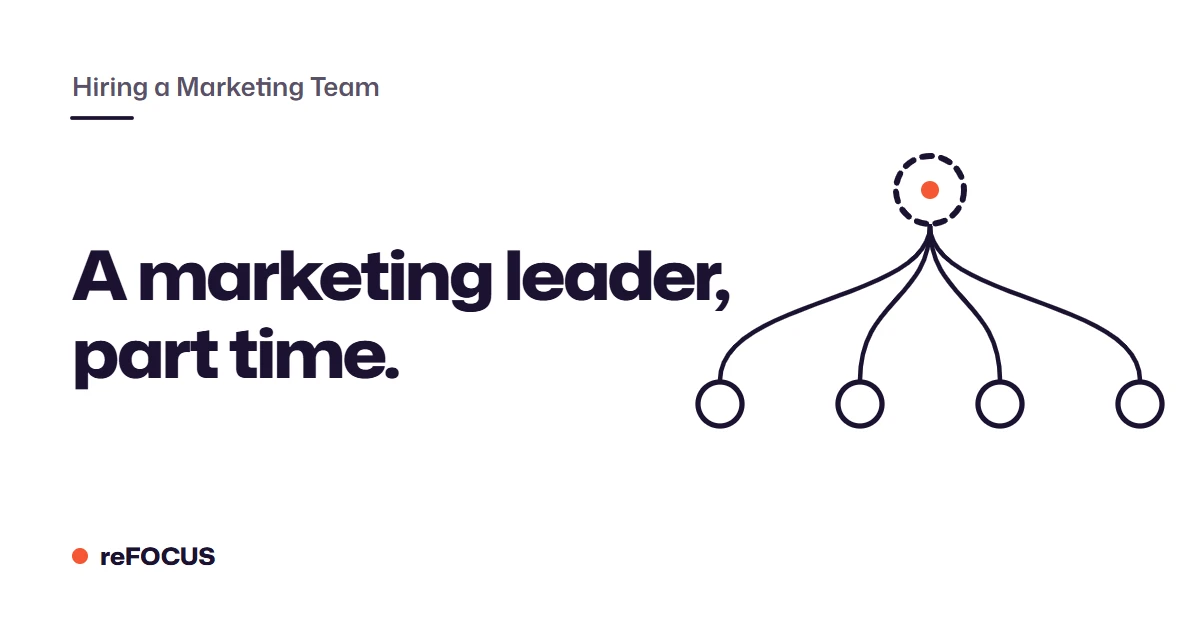
- sit down with you, explain what they'd do and why, and own the strategy
- also do the work: build the system, implement it, grow it and keep improving it
What results to expect, and when
It depends on where your practice starts. A fair timeline from a capable agency looks like this:
- First 30 days: a working marketing system for your practice, with tracking in place, campaigns live and content in production.
- By 90 days: you see it in two places at once, on social media and at the front desk, in calls and booked appointments.
- By 180 days: consistent momentum you can track month over month.
Be wary of anyone who promises big numbers in the first month without knowing your practice.
How to think about budget
The right budget depends on your goals: whether you're pushing to grow or holding steady.
For context, in a Tebra survey of 106 independent practices, most (62%) put 1% to 5% of gross revenue into marketing. Across all industries, Gartner's 2025 survey of marketing leaders found budgets averaging 7.7% of company revenue, though that sample is mostly larger companies.
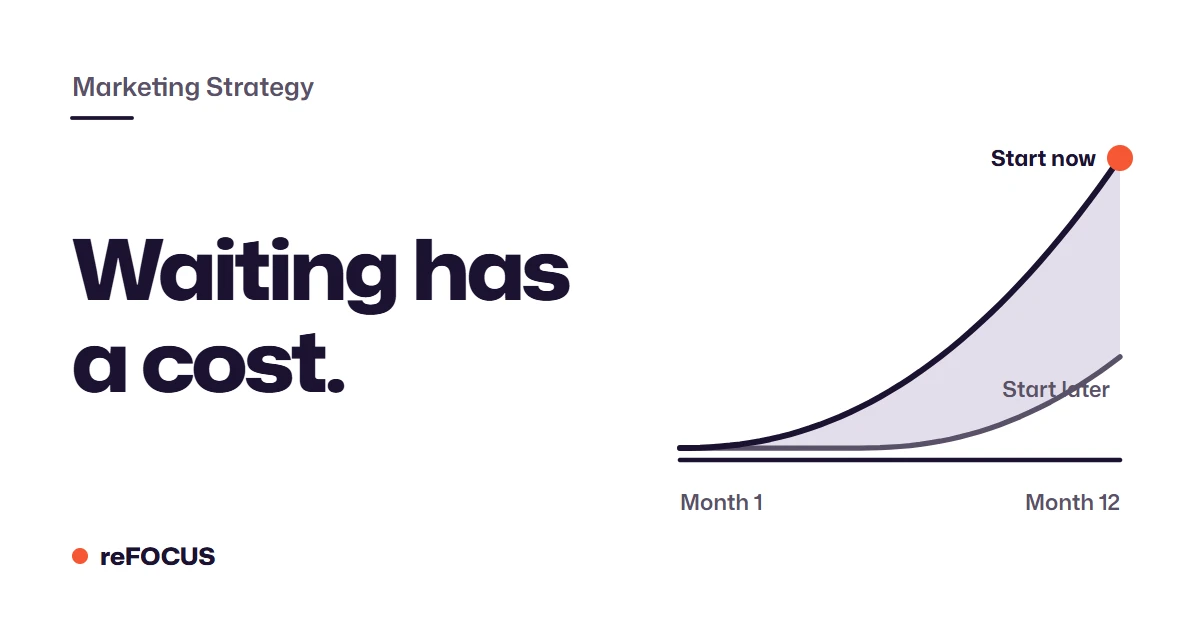
Our view: a practice that wants to grow should plan on at least 5% of gross revenue. Then judge the spend by what matters, the cost of each new patient against what a new patient is worth to the practice over time. That number is only possible if the tracking above is in place.
Two more things worth planning for:
- Look beyond referrals. Map your main revenue lines and aim for four steady sources of new patients. Physician referrals and community reputation will be two of them. Decide what the other two are.
- Plan for the season you're not in. As Jim Rohn put it, think summer all winter and winter all summer. Build demand before you need it.
What to have ready before you hire anyone
The best agency in the world can't fix these from the outside.
Start with someone who answers the phones, quickly and warmly, because paid search that rings an unanswered line wastes money. Then doctors who are willing to be on video. Patients want to see who they'll trust with their knee or shoulder, and I consider this one an absolute must. You'll also need one person who owns reviewing and approving content, so work doesn't stall, and proof patients can see, such as reviews or a plan to start collecting them.
The last one is the easiest to overlook: a team that wants to have fun with marketing. Filming, posting and answering reviews become habits, and habits compound.
A worked example: an orthopedic practice in St. Joseph, Missouri
OSMC (Orthopedic & Sports Medicine Center) has served St. Joseph, Missouri for 40 years. It was trusted locally and hard to find online. When we started, we found its previous agency had looked at only a fraction of the practice. It was a great business fighting a Goliath with both arms tied behind its back.
What made the difference was looking at everything, including the practice's intake app and the software behind it. Without that access, we wouldn't have seen the gaps in tracking, messaging and follow-up, and we couldn't have measured results.
Then we built the system:
- the surgeons on camera, explaining conditions in plain words
- a steady social presence
- search visibility
- later, paid search for the services patients search for most, such as walk-in orthopedic care, same-day appointments and imaging
The biggest shift came when the practice moved from a branding campaign alone to adding a campaign aimed at bringing in new patients.
What changed:
- Facebook views rose 366% in the first 32 days.
- Patient registrations through the practice's intake app rose 29%.
- When we searched on November 2, 2026, OSMC was first in Google's local results for "orthopedic surgeon St. Joseph MO".
- On the same day, ChatGPT recommended OSMC surgeons first when asked who to see for orthopedic care in St. Joseph.
- Every call is now tracked by channel, from ad spend through to booked appointment, in a report the practice receives each quarter.
"They took the time to learn our specific software and how it works, so our marketing strategy is built around what we actually do. … Our business now shows up in both Google and AI search results. It's nice to have a marketing partner we can trust."
Cheryl Kidwell, CEO, Orthopedic & Sports Medicine Center
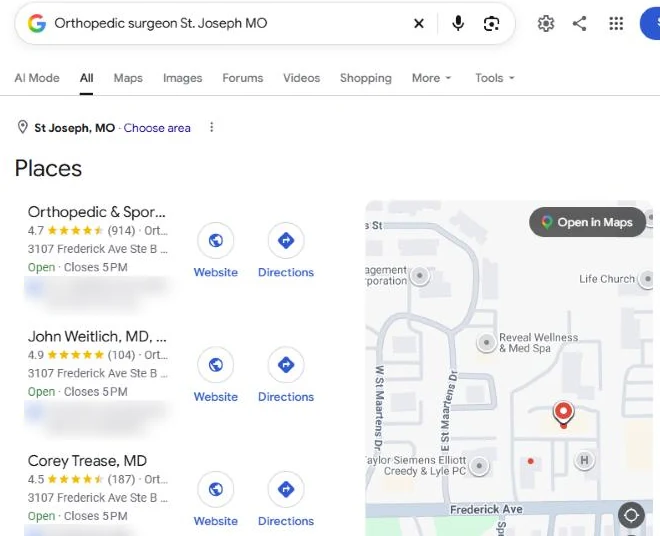
Google local resultsSearched Nov 2, 2026
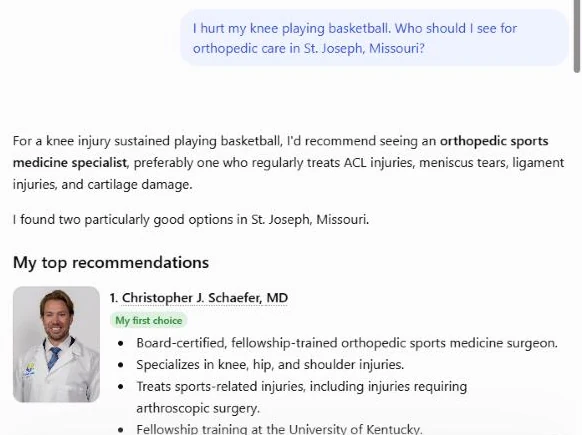
ChatGPT, signed outAsked Nov 2, 2026
Key takeaways
- Judge agencies by whether they can tie marketing to booked appointments and new patients in your own system.
- Ask all ten questions, including what happens if it doesn't work by month three.
- Insist the agency looks at your phones, scheduling, intake and software before it proposes anything.
- Expect a working system in 30 days, results at the front desk by 90, and steady momentum by 180.
- Get your phones, your doctors' time on camera and your content approvals ready first.
Frequently asked questions
Should we hire an orthopedic-only marketing agency?
Only if it also treats your practice as its own business. Many single-niche agencies run the same playbook for everyone. Choose the agency that studies your whole practice, takes a real strategy role, does the work and can track marketing to new patients.
How long until marketing brings in new patients?
Expect a working system in the first 30 days and to see results in calls and booked appointments by around 90 days. Steady, trackable momentum usually builds by six months, depending on where the practice starts.
Do we need a new website before hiring an agency?
Not always. What you need first is phones that get answered, a way to track calls and inquiries, and pages that patients can use on a phone. A good agency will tell you whether the website is holding you back after looking at it.
Can an agency get our practice recommended by ChatGPT?
It can make you much more likely to be recommended. AI assistants draw on your website, your Google Business Profile, reviews and other sites that mention you. OSMC's surgeons were ChatGPT's first recommendations for orthopedic care in St. Joseph when we checked on November 2, 2026.
How do we grow beyond physician referrals?
Treat referrals as one of several sources of new patients. Add search for the services patients look for directly, such as walk-in care and same-day appointments, along with your providers on video, reviews and follow-up with past patients.
Who should own our ad and analytics accounts?
Your practice should. If you part ways with an agency, the accounts, data, website and content should stay with you.
Book a 30-minute call. We'll answer all ten questions for your practice and show you what a report that tracks to new patients looks like.