Recruiting real estate agents: a system you can measure, with one brokerage's numbers


The short answer
You recruit real estate agents with a system you can measure. Decide which agents you want, work out what each one is worth to you, run one to four steady ways of attracting them, and track every step from the first call to the signed agent.
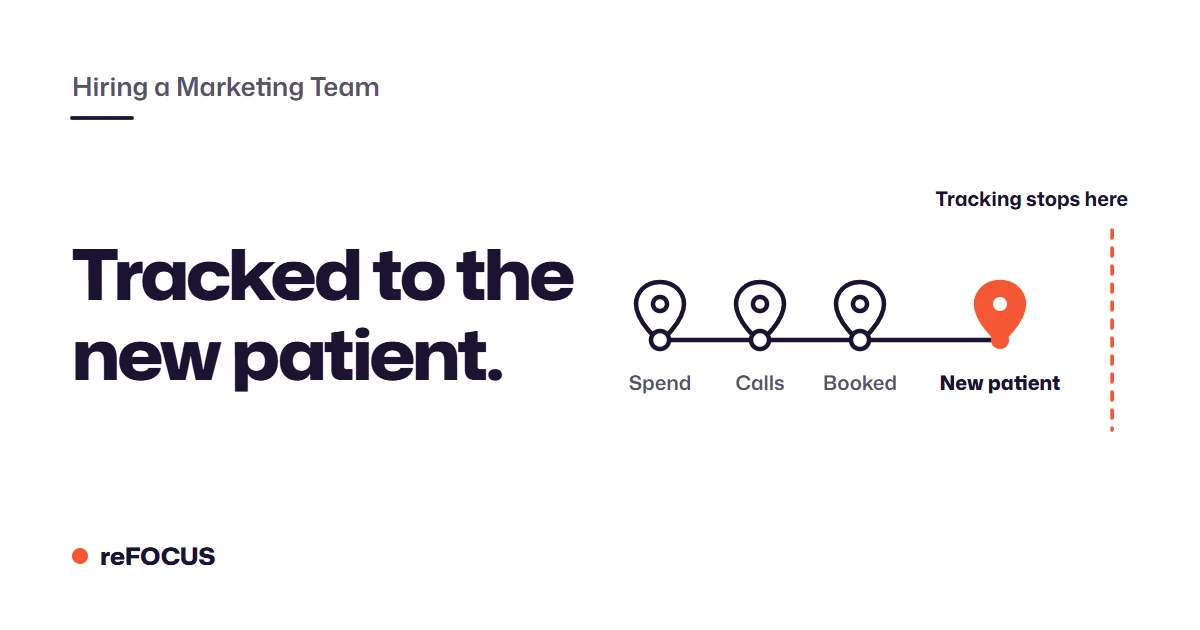
In my experience, brokerages and teams often track the early numbers, but the tracking stops at different points before the signed agent, so the process never gets improved. For 54 Realty, a top-performing Tampa brokerage, the result was a $6.48 cost per recruitment lead (previous spend was untracked).
Key takeaways
- Recruiting slowed in 2026. The 100 largest brokerage brands netted 57% less production through recruiting from January through September than in the same months of 2025 (Courted data, reported by Inman, November 5, 2026).
- Count recruits by what they produce. Outgoing agents produced $2.11 million a year on average, while incoming agents averaged $1.44 million (Courted's 2025 report, via HousingWire, March 4, 2026).
- Know what an agent is worth to you before you set a recruiting budget, then track every step between the first call and the signed agent.
- Events fill when the topic solves a timely problem for your ideal agent and the invitations go out on every channel.
- An agent who says "not right now" is the start of a relationship. Reach out personally once a month.
Why recruiting agents got harder in 2026
Fewer agents are in motion. The 100 largest brokerage brands in the U.S. netted $24.3 billion in production through recruiting from January through September 2026, down 57% from the same stretch of 2025, according to data from recruiting software company Courted reported by Inman on November 5, 2026. In the same report, their recruiting rate dropped from 11.4% to 7.2%, and attrition fell from 8.9% to 6.2%.
Courted's 2025 report, covered by HousingWire on March 4, 2026, found that about 16% of agents, roughly 230,000, moved to a new brokerage in 2025, the same share as in 2024. In an average year about 15% of agents are new to the industry and 15% leave it, so nearly half (46%) of the agent workforce at the average brokerage is new, moving or leaving.
Headcount can hide what you lose. Per the same report, the top 100 brands recruited $276 billion in sales volume in 2025 and lost $233 billion, for $42 billion net, or 1.8% growth. Sean Soderstrom, Courted's CEO, told Inman: "If you want growth, you have to go get it."
A lot of brokerages are sitting there wondering what to do and how they'll hit their agent goals. The mistake I see most is promoting things that won't attract their ideal agents, because they're desperate for more bodies. To me, that desperation is a sign the systems aren't in place. Opening the floodgates and letting everyone and their brother (and sister and mother) in won't fix it.
What I recommend is a few systems you can run consistently. Start with one pillar of agent attraction and grow to no more than four. Every team and brokerage has different pillars: events, agent referrals, or direct, personal calls and texts from a person to one agent at a time. If agent referrals are one of your pillars, review your referral program with your own legal team to make sure it follows the rules and regulations that apply to you.
Top 100 brokerage brands, January to September
$24.3B recruited in 2026, down 57%
Source: Courted data reported by Inman, November 5, 2026.
How to recruit real estate agents: the system, step by step
These are the five steps in the order we'd set them up.
1. Work out what an agent is worth, then count every step
When a broker-owner sits down with me for the first time and says they need more agents, I start by finding out what they're willing to do to get them. In-person training sessions, agent-centric events, calls and emails to agents: I want to know how hands-on or hands-off they want to be. I want to know who their ideal agent is (often two or three different profiles) and their revenue per agent.
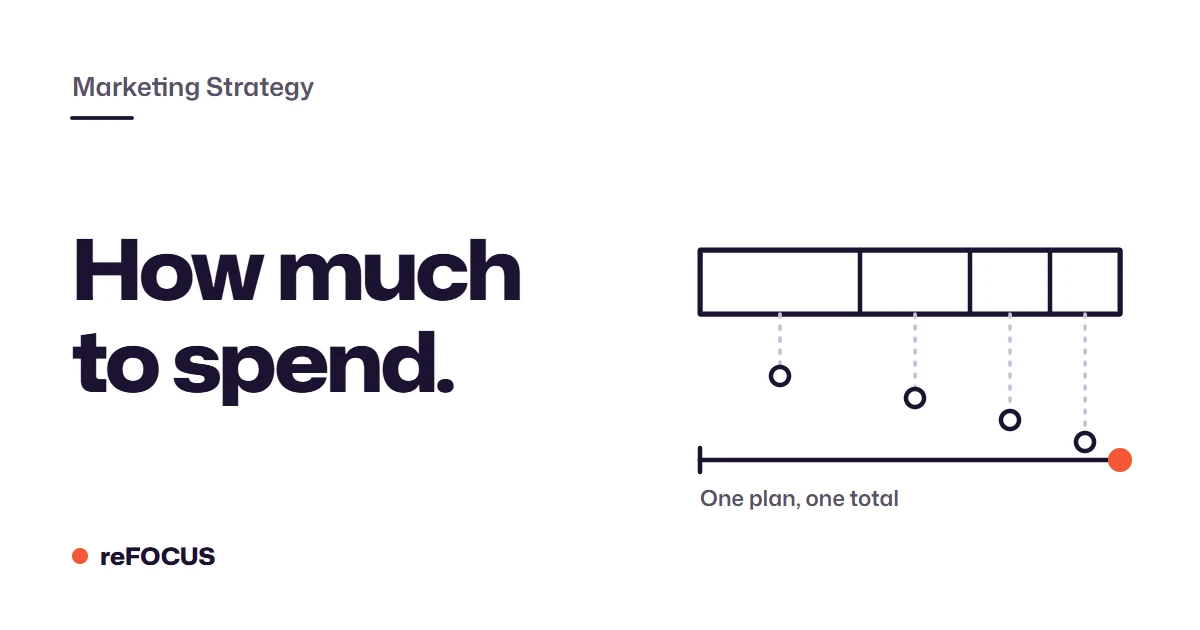
Then we do the math. Your goal for the number of agents gives a revenue range. How long agents typically stay with you tells us how much revenue each agent brings in, and we set a percentage of that revenue as the budget. Ask yourself what you'd invest to make that revenue, and that's your baseline target. Track against it and you also get your cost to acquire each agent.
Two rules of thumb of mine apply here as they do anywhere. I want at least a 4x return on marketing spend, and ideally a business puts 6% to 12% of revenue into marketing. Those are my own rules of thumb from experience, not industry figures. There's more on setting a budget in how much a service business should spend on marketing.
Very rarely do I find a brokerage that tracks nothing. Tracking the right things is what makes the difference, and that means both leading and lagging numbers. The leading numbers are often there, but tracking stops at different points along the way, so nobody can improve the process. The process gets set and left alone, in the hope that time on task solves everything.
Take a brokerage or team that recruits by prospecting. They track calls, appointments set and held, and agents signed. I'd also count the steps in the table below.
| Step | What to count |
|---|---|
| Outreach | Who you called, and which ideal-agent profile they fit |
| First conversation | How many touches it took to get a conversation |
| Appointment set | How many touches between the first conversation and the appointment being set |
| Appointment held | How many touches between the appointment being set and being held |
| Decision | How long agents in each profile take to decide |
| After signing | Lifetime revenue per agent profile |
With those numbers in hand, we can work on the messaging and on marketing that backs up your recruiters. Every brokerage and team is different, so treat this as one example. If you want the wider picture, read the five marketing metrics that matter.
A brokerage that recruits by prospecting
Usually counted, and what to add
Usually countedNot in the usual count
2. Show agents you'll solve their problems before you call
It depends on the agent. If I narrow it down to one common thing, agents need to verify three points before they take the meeting: that your brokerage or team will solve their current problems, that you'll support them and help them figure out the problems coming next, and that you'll be beside them through the good times and the bad.
The best way I know to show that is stories from agents who are with you now. A good agent story covers:
- where they were before, meaning their situation and not their old brokerage
- their concerns, problems and stress, and what they were going through
- how they decided which brokerages or teams to talk with, and why yours made the list
- what they saw at the others, and what was different about the one they picked
- what their first 90 days looked like
- why they're staying, and what life looks like now
Put those stories on your website, in long and short video, in texts, photos and email, on every channel. You can't show awareness campaigns like that too often.
Two practitioners quoted by NAR's REALTOR® News (June 24, 2026) make the point. "A strong digital footprint does the recruiting for you," said Cyrus Vaghar of Coldwell Banker Realty. Crystal Olenbush said, "Instead of saying, 'Join us because we are successful,' we show real numbers, real sales and real results."
At 54 Realty we rebuilt the content engine with short-form video. Alison Bresciani, COO of 54 Realty, put it this way:
“Nearly everyone who walks through the door mentions our social media, or that they feel like they already know us.”
Recruiting ads are still ads, so your brokerage and team name rules apply and your managing broker should approve them. For more on getting on camera, see whether you really need to be on video and how we produce video for service businesses.
3. Run recruiting events your ideal agents want to attend
Most recruiting events come up half empty for a handful of fixable reasons. Here's what we fix:
- The topic and title. The topic has to solve a relevant, timely problem for your ideal agent, and the title should promise a transformation.
- The bonuses. Give the bonuses more perceived value than the topic itself, while making sure they support it.
- The outreach. One channel isn't enough. Use email, social, video, ads and personal outreach by phone and text, one agent at a time.
- The build-up. Market the event before it happens, to build value, anticipation and what they miss if they don't attend.
- The follow-up. After the event, keep building its value and tease the next one.
Some quick examples of titles that promise a transformation: "The Agent of 2027: Adapt, Lead, Win", "Built for What's Next: Thriving in the New Real Estate Economy" and "From Agent to CEO: Building a Business, Not a Job".
Confirmations, countdown reminders and follow-up can run on their own. Automated reminders go only to agents who registered and agreed to receive them. That consent is usually given in the online registration form, or in the script when an agent registers by phone. See how we set that up in marketing automation and nurture.
Pick the event to fit the agent you want. In the events we've run, agent training events produced the most. The best-attended was a community happy hour with headshots, and I don't suggest that for most teams and brokerages, because it tends to attract agents who aren't your ideal and just want the drinks or the headshots.
4. Follow up until they're ready to move
When an agent says "not right now," treat it as normal and as the start of a great relationship. It can mean a few different things. It certainly doesn't mean "no."
How long it takes depends on the agent, and that's exactly what your ideal-agent profiles tell you. An agent who is very busy with listings and buyers might take 6 to 12 months. One who isn't as busy might take 1 to 3 months. Your approach to each profile should work in that agent's favor.
Keep the relationship going through marketing and outreach:
- Reach out directly and personally in some way once a month.
- Make sure they're seeing your retargeting ads.
- Keep building value, and treat them as if they're already part of your brokerage or team.
A CRM keeps those monthly touches from slipping. See CRM setup and management and where a pipeline leaks.
5. Keep the agents you recruit
Recruiting into a brokerage that loses agents is the leaky bucket. That's why we start with an audit. Some brokerages and teams need to work on keeping agents first, and some need to work on attracting them.
- If agents stay 18 to 24 months, start with attraction.
- If agents leave between 6 and 12 months, start with retention.
- If you have only two or three agents, work on attraction every single day until you're sick of saying "agent attraction."
The target to work toward is keeping your profitable agents for three to five years or more. The production gap shows why: outgoing agents produced more on average than incoming agents (Courted's 2025 report, via HousingWire, March 4, 2026).
A worked example: how 54 Realty built its recruiting system
54 Realty is a top-performing Tampa brokerage with a strong brand and scattered marketing. The case study is dated 2025 and covers 14 months. It records:
- Event attendance +62% after adding systematic recruiting funnels.
- $6.48 cost per recruitment lead (previous spend was untracked).
- 11,000+ contacts added to the retargeting database.
- Rebuilt the content engine with short-form video. Automated confirmation, countdown and follow-up sequences.
A retargeting database lets you stay in front of agents who aren't ready to move yet. Read the full 54 Realty case study.
The limits, plainly: this is one brokerage. $6.48 is a cost per recruitment lead, which is different from a cost per agent hired. We found no independent industry benchmark to compare it with.
We've done similar work for Club Wealth, a national real estate coaching brand. It runs half-day events as part of its sales funnel to bring agents into its coaching program, and those events are a good model for agent attraction events. Read how Club Wealth grew with a part-time marketing leader.
54 Realty, Tampa: 14 months
reFOCUS case study, 2025
$6.48 cost per recruitment lead
Previous spend was untracked+62% event attendance
After adding systematic recruiting funnels11,000+ contacts
Added to the retargeting databaseThis is one brokerage. We found no independent industry benchmark to compare it with.
FAQ
How do real estate brokerages recruit more agents?
They pick their ideal agents, work out what each agent is worth, and run one to four steady pillars of attraction, such as events, agent referrals and direct, personal outreach. They show agents real stories from the agents already with them, follow up every month with agents who aren't ready, and work on keeping the agents they sign. Every step is tracked from the first call to the signed agent.
Should a brokerage hire a marketing agency to recruit agents?
Recruiting is your job, and you don't need an agency if you can organize the campaigns, ads, graphics, videos, slide decks, handouts, outreach, retargeting and everything else agent recruiting involves. Ask yourself how much more productive you'd be if you only had to focus on true agent relationships and direct outreach. I'm biased, but I think a brokerage should hand recruiting marketing to an agency once it has between 5 and 15 agents. It may feel like a financial leap at that point, but there's almost no way a brokerage owner or team lead can do everything needed to grow consistently and keep their agents without help.
What does it cost to recruit a real estate agent?
We found no independent benchmark for the cost of hiring an agent. I treat recruiting as an investment in revenue and count three numbers: cost per agent acquired, annual revenue per agent and lifetime value per agent. What worries me is a team that isn't doing anything right now, including tracking or looking after the culture of its current agents. Some owners take the Field of Dreams approach, and building it doesn't mean they will come.
How long does an agent take to move after saying "not right now"?
In my experience, an agent who is very busy with listings and buyers might take 6 to 12 months, and one who isn't as busy might take 1 to 3 months. Your ideal-agent profiles tell you which is which. Reach out personally once a month in the meantime.
Sources
- Inman, Nick Pipitone, report of Courted data on brokerage recruiting, November 5, 2026
- HousingWire, Brooklee Han, report of Courted's 2025 State of Brokerage Recruiting and Retention Report, March 4, 2026
- NAR REALTOR® News, Dina Cheney, "What's Working in Recruiting and Retention Right Now", June 24, 2026
- reFOCUS case study, 54 Realty, 2025
Related: Marketing for real estate and mortgage · How long marketing takes, month by month
See where your brokerage stands
The free diagnostic shows how you show up on Google, the map and AI assistants next to your top three competitors, then lays out a six-month marketing plan.
Want a plan like this for your business?
Run the free diagnostic. It takes a few minutes, and you'll see a six-month plan with the price.
Book a callWant a plan like this for your business? Run the free diagnostic. It takes about 10 minutes.